·
5 minutes
Sound & Music
What Is the Best Wake Up Routine? Start by Listening to Yourself

By Rachelle Barrack
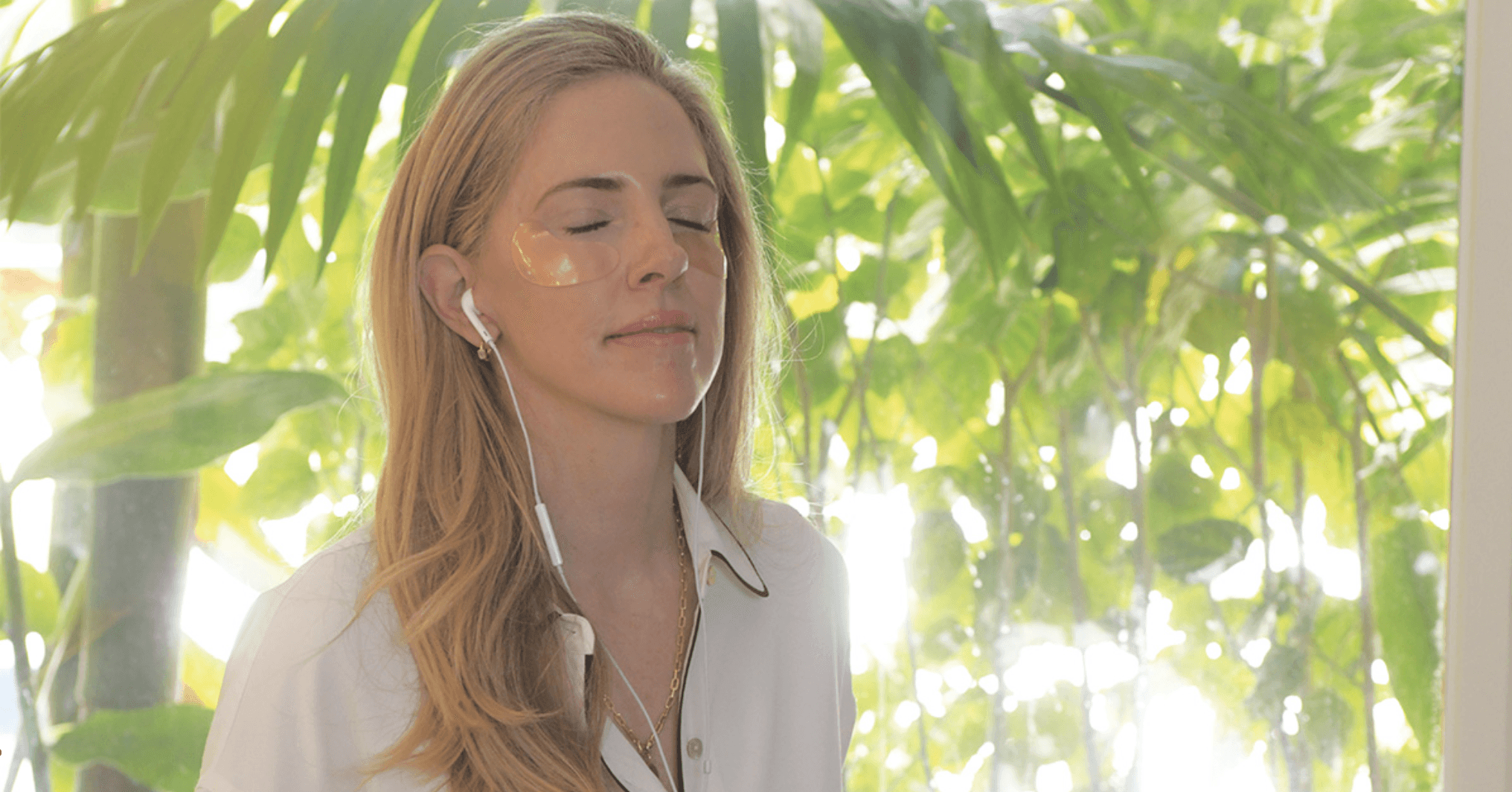
The best wake-up routine is one that helps you orient yourself before the demands of the day begin. While there is no universal approach, incorporating simple habits to check in can foster a more mindful and clear-headed start to your day.
At this point, it seems like everyone has a morning routine to recommend.
Every scroll brings another list of wellness habits, another founder's ritual, another promise that waking up a little earlier, getting more morning light, eating more protein, or staying off your phone for the first hour will change the rest of your day. Some of it is backed by strong science and has genuinely changed the way I think about mornings.
But after trying more than a few of those routines myself, I've found that the most important part of my morning isn't any single practice. It's remembering what the morning is actually for.
That practice is part of what shaped Thea, a daily voice-led check-in that helps me hear myself before the day begins asking something of me.
Somewhere along the way, I stopped thinking about my mornings as something to optimize and started thinking about them as a chance to orient myself. Before getting the kids out the door, before the emails, before the day has a chance to tell me where I'm needed, there's a brief window to notice where I am, how I feel, and how I want to move through the day ahead.
That shift has changed far more than any individual routine ever has.
Orientation Comes Before Anything Else
No two mornings feel the same. Some mornings I wake up energized and clear. Other mornings I'm carrying something from the day before that I haven't quite named yet. I've stopped expecting every morning to ask the same thing of me. That's why I've never believed there can be one perfect morning routine.
What Is Your Morning Helping You Notice?
I’ve become less interested in which habits belong in a morning routine and more interested in what they make possible.
Do they help me hear myself before I start responding to everything around me? Do they help me feel less reactive? Do they give me a clearer sense of what I’m bringing into the day?
Some mornings there are thirty uninterrupted minutes. Other mornings there are five. The practice can change. The point is to pay attention.
Begin by Hearing Yourself
This is the check-in I return to every morning, and it’s the practice Thea was built around.
One of the simplest ways I check in is to take a minute to say what I'm feeling out loud before the day begins, sometimes over coffee, sometimes in the car after getting the kids out the door. I've noticed that I'm less likely to carry those emotions with me in quite the same way. They don't disappear, but they seem to have less of a grip on me. Research on putting feelings into words helps explain why that simple act can be so powerful.
I check in with myself over coffee in the morning, or in the car after getting the kids out the door. It helps me calibrate my day or reset after the morning rush. The whole practice takes just a few minutes and fits into the day I'm already living.
Let Light Tell Your Body It’s Morning
Morning light is one of the clearest signals we can give the body about where we are in the day. Research on circadian rhythms shows that outdoor light after waking helps regulate the internal clock and supports sleep later that night. Even on cloudy days, outdoor light is dramatically brighter than the lighting inside our homes, which is why just a few minutes outside can help reinforce that morning signal..
Real life doesn't always leave room for a slow morning gazing at the horizon. Some mornings I'm outside with my coffee for two minutes while the kids eat breakfast. Other mornings the drive to and from school drop-off is the only morning light I get.
That still counts.
Notice What Changes When You Move
Long before I understood it as a form of emotional regulation, walking while listening to music was one of the most reliable ways I knew to clear my head. My mind would settle with each step. Years later, I realized I’d been instinctively using music to regulate how I felt.
The practice doesn’t have to look the same for everyone. What matters is recognizing what helps you reconnect with yourself.
There Isn't One "Best" Wake-Up Routine
Those first few minutes don’t guarantee how things will unfold. They help me recognize where I am before everything starts moving.
The best wake-up routine may have less to do with what you accomplish before breakfast and more to do with how you meet what’s ahead.
That might mean light, movement, or a few words spoken out loud. The practice can shift. The intention stays the same: hear yourself clearly.
Before asking what your routine should include, ask what you want it to help you notice.
If you’d like to put that idea into practice, Reset with Thea offers a simple way to pause, speak what’s on your mind, and hear yourself clearly through voice, breath, and sound.
morning routines for waking up, what is the best wake up routine, morning light, morning routine for energy, wake up routine for students, wake up routine for adults, wake up routine for seniors, Awake, Wakefulness, Life, everyday life, working time, self care